Google Android 17 introduces iOS-style audio toggle and AI priority notifications for Pixel 11 Pro
Google Borrows iOS Playbook for Android 17 Audio Controls
Google is developing two notable features for Android 17 that bear a striking resemblance to capabilities already present on Apple iPhone 16 devices running iOS 26. The latest Android 17 QPR3 Beta 4 reveals a new audio source prioritization system and an AI-enhanced notification intelligence upgrade, both of which mirror functionality found in Apple iOS ecosystem and Samsung Galaxy S25 One UI interface. These additions signal Google continued willingness to adopt proven concepts from rival platforms when they genuinely improve the Pixel user experience.
Keep Audio in Headphones Toggle Prevents Unwanted Switching
The first feature, discovered by Android Authority within the Android 17 QPR3 Beta 4 build, introduces a ‘Keep audio in headphones’ toggle buried in the Settings menu. When manually activated, this setting ensures active audio playback continues uninterrupted on connected earbuds even when a new Bluetooth audio source enters range. This addresses a common frustration where entering a vehicle causes music to automatically transfer from wireless earbuds like the Pixel Buds Pro 2 to the car stereo system.
Apple introduced a nearly identical feature called ‘Keep Audio with Headphones’ in iOS 26 for iPhone 16 and iPhone 15 series devices. The Google implementation appears to function in the same manner, giving Pixel 11 Pro users granular control over audio routing priorities. This marks a practical quality-of-life improvement for anyone who frequently transitions between personal audio devices and vehicle infotainment systems such as Android Auto or Apple CarPlay. The toggle remains optional, allowing users who prefer automatic switching to retain the default behavior.
AI-Powered Priority Notifications Elevate Critical Alerts
The second enhancement expands Google existing Notification Intelligence framework with on-device artificial intelligence capable of identifying time-sensitive alerts. The system will analyze incoming notifications and promote those deemed urgent to a dedicated priority tier, potentially rendering them with a distinct shade color in the notification shade for immediate visual recognition. This on-device processing approach aligns with Google emphasis on privacy-preserving AI, similar to Apple Private Cloud Compute architecture used for Apple Intelligence features on iPhone 16 Pro models.
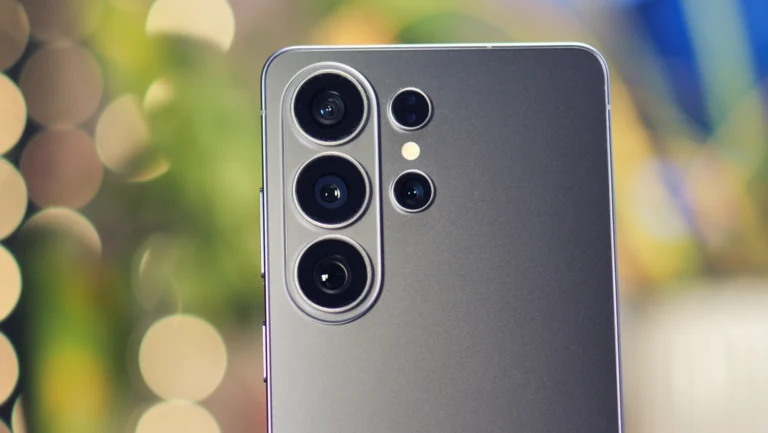
This approach mirrors Apple notification summary and priority system in iOS 26, as well as Samsung notification categories in One UI 7 on the Galaxy S25 lineup. Google may further integrate this capability with the HiLight external notification LED system expected on the Google Pixel 11 Pro, flashing specific colors when high-priority alerts arrive. Such multi-modal notification handling would align the Pixel 11 Pro with premium competitors offering sophisticated alert management. The HiLight system, rumored to feature a redesigned LED array around the camera module, could pulse amber for urgent messages, blue for calendar reminders, or green for delivery updates.
Pixel 11 Pro Positioned as Primary Beneficiary
While neither feature is guaranteed for the final Android 17 release, their presence in the QPR3 beta cycle suggests advanced development. The Google Pixel 11 Pro stands to gain the most from these additions, particularly if HiLight integration materializes. The flagship device would then offer a cohesive notification experience combining on-screen prioritization, color-coded shading, and external LED feedback. This would represent a significant evolution from the Pixel 10 Pro notification handling, which relied primarily on software-based categorization without dedicated hardware signaling.
Samsung Galaxy S25 owners already enjoy comparable notification intelligence through One UI, while iPhone 16 users benefit from Apple refined Focus modes and notification summaries. Google adoption of these patterns reflects the iterative nature of mobile operating system development, where platforms continuously borrow and refine each other best ideas. The Pixel 11 Pro Tensor G5 chipset on-device AI capabilities should handle the notification classification workload efficiently without impacting battery life.
Beta Testing Continues Ahead of Stable Release
Android 17 QPR3 Beta 4 remains available to registered Pixel developers and beta participants using compatible devices including the Pixel 9 Pro, Pixel 9 Pro XL, and Pixel 9 Pro Fold. Google typically finalizes quarterly platform releases several months after beta deployment, meaning these features could reach stable Pixel 11 Pro units alongside the next major Android version expected in late 2025. Until then, the company continues to monitor feedback and refine implementation details for both the audio prioritization toggle and AI-driven notification ranking.
Early beta testers report the ‘Keep audio in headphones’ toggle functions reliably across various Bluetooth codecs including LDAC, aptX Adaptive, and standard AAC. The priority notification system currently identifies calendar events, messaging apps marked as priority, and system alerts as high-importance by default, with user customization options planned for the stable release. As Android 17 progresses through its beta phases, these iOS-inspired features may evolve further before reaching the broader Pixel ecosystem.