

Xiaomi 18 Pro Max Rear Display Review: Is It Worth It
Xiaomi 18 Pro Max Rear Display: A Genuine Game Changer for Productivity
Xiaomi has launched its new flagship phones globally in Paris this week, marking a significant strategic shift for the Chinese tech giant. The Xiaomi 18 Pro series takes center stage, and for the first time in the company’s history, the Pro models are debuting outside China as a simultaneous global launch. Historically, Western markets waited roughly six months after the China debut — often coinciding with MWC in Barcelona — and typically received only the standard flagship and the camera-focused Ultra model. Xiaomi has reportedly ditched the Ultra for 2025, making the 18 Pro series the new premium benchmark and signaling a broader industry trend.
Why the Rear Screen Matters More Than Ever
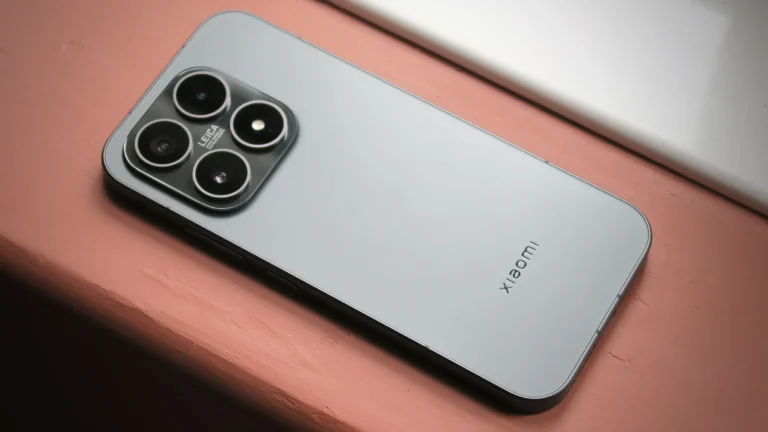
While Google disappointed with the glorified notification light called HiLight on the back of the Pixel 11 Pro models, and Samsung didn‘t even add Qi2 magnets to the Galaxy S26 series, Xiaomi has been quietly perfecting a completely different approach to secondary displays. The Mi 11 Ultra back in 2021 featured a tiny rear display similar to early Galaxy Z Flip designs, but since the Xiaomi 17 Pro models last year, the rear screen has evolved into a proper, usable OLED panel that spans the entire camera module island. This isn’t a gimmick — it’s a fully functional second screen with its own app ecosystem.
Hands-On with the Xiaomi 18 Pro Max Rear Display
I’ve been testing the China model of the Xiaomi 18 Pro Max for the past couple of weeks, and the 2.9-inch rear OLED (slightly smaller at 2.7 inches on the standard Xiaomi 18 Pro) hits a genuine sweet spot. It’s large enough to display useful information and run lightweight apps, yet small enough that it doesn’t tempt you into full-blown phone usage sessions. Placed in a simple wooden desk stand from Ikea facing outward, it becomes an ambient productivity tool that keeps you informed without the dopamine trap of a 6.7-inch main display.
Practical Features That Actually Work in Daily Use
At its most basic, the rear screen serves as an elegant always-on clock with customizable watch faces, but swipe gestures unlock genuine utility. Swipe down for a filtered notification view, swipe up for pre-installed widgets like Desk Calendar and Upcoming Events — keeping you on top of your schedule without ever unlocking the main display. You can also install dedicated rear-screen apps from a growing library; Keycap Press, a satisfying mechanical-key fidget game, provides quick stress relief during intense work sessions. Dive into settings and you’ll find animated wallpapers (including interactive animal characters), live update preferences for food delivery and ride-hailing, music playback controls, and granular notification filters per app.
Camera Preview and AI-Generated App Cards Extend Utility
The rear display doubles as a live viewfinder for the main camera array, letting you frame high-quality selfies with the superior rear sensors instead of the front-facing camera — a feature flip phones have offered for years, now on a slab flagship. Xiaomi’s HyperOS AI can also generate custom app cards for the rear screen; describe what you need in natural language, and the system builds a functional mini-app. I requested a star reward chart for my three-year-old, and within minutes had a working behavioral tool with tap-to-add stars and progress tracking. You can generate up to 20 free AI app cards per month with a Xiaomi account, and the community gallery already offers dozens of ready-made options.
Will the Industry Follow Suit? Honor Already Has
Honor has officially confirmed the upcoming Honor 700 series will feature a very similar rear-screen system, suggesting this isn’t just a Xiaomi experiment but the start of a new Android flagship category. Apple is unlikely to adopt this on an iPhone anytime soon given its design philosophy, but for Android manufacturers seeking meaningful differentiation in a year where smartphone innovation feels stagnant, the rear display could become the next must-have feature. After two weeks of daily use, I genuinely miss the rear screen when switching to other devices — it’s that useful, and that rare for a new smartphone feature.



One Comment